
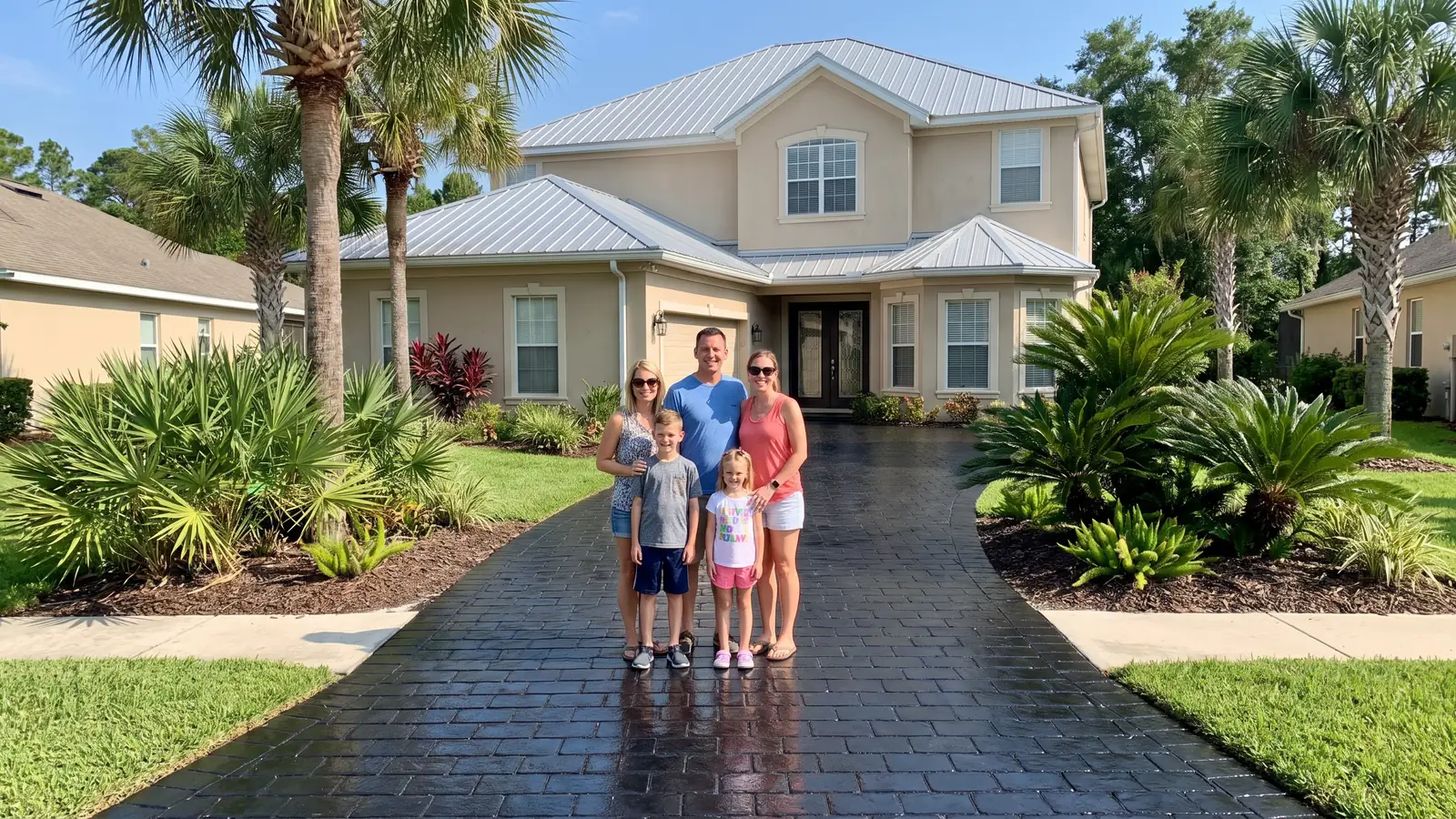
Paver sealing for Nocatee homes
Paver Sealing in Nocatee, FL
Most Nocatee lots back up to water or preserve land, so call (904) 872-8339 for a free paver sealing estimate.
- Brings out deeper paver color
- Fresh joint sand helps lock pavers in place
- Gives weeds less room to grow
- Makes the surface easier to keep clean
- Free estimate, no obligation
Request a Free Estimate
Free, no obligation.
Fast, careful paver sealing in Nocatee
Paver sealing is available across Nocatee, from the Town Center area to the villages near the Tolomato River. Your driveway, lanai or pool deck can be cleaned, re-sanded and sealed by a local contractor, and the estimate is free. When you ask for a free estimate, you will hear back within 1 business day, and often much sooner.
Maybe the pavers around your pool wear a pale, chalky haze. That can be efflorescence, a white mineral film that Unilock says must be cleared before sealer goes on. Once it is gone and the surface is sealed, the color reads even again. To talk through your own lanai or drive, call (904) 872-8339.
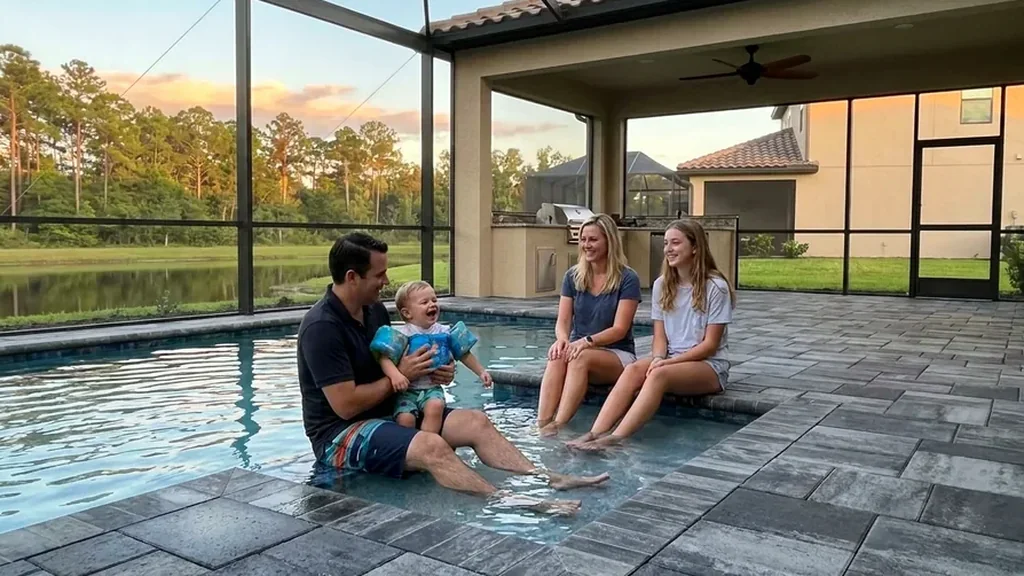
Why hire a local paver sealing contractor in Nocatee?
Nocatee homeowners often choose a local contractor because young pavers, village guidelines and water on every side change how a job should go. To see how that fits your street, ask for a free estimate.
A free look before you commit
The contractor looks over your Nocatee pavers at no charge. A price comes first, and the decision stays with you.
A price range to check against
Companies across Northeast Florida commonly publish $1.75 to $3.25 per square foot. Compare any Nocatee quote to that range.
Natural or deeper color
Matte keeps a natural look, and a wet look deepens the color. The wet look shows scuffs sooner.
Your guidelines come first
Read your village guidelines before booking, and mention them at the visit. A Nocatee estimate carries no obligation.
Get Your Free Estimate in Nocatee
Tell us about your pavers in Nocatee.
Free, no obligation
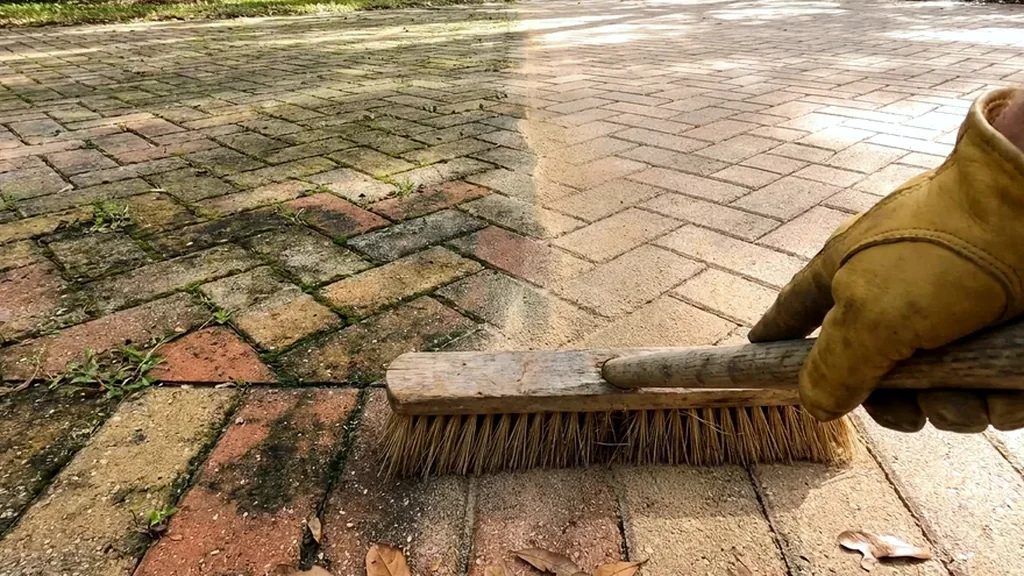
What paver problems show up most in Nocatee?
A chalky haze on young pavers
Unilock describes efflorescence as a white mineral haze that does not weaken concrete pavers. It also says pavers must be clear of it before sealer goes on. Home sales in Nocatee began in 2007, so many pavers here are young enough to show it. Unilock says it is best to wait two to three months, or even up to a year, before sealing pavers that show the haze. Sealing over that haze would lock it in place, which means a short wait protects your money. The contractor can usually tell at the first visit whether your pavers have settled enough. Home sales in Nocatee began in 2007, so every paver in the villages is newer than that.
Water on nearly every side
The Jaxson says most Nocatee homes back up to water or nature preserves. Shade and damp ground near a pond or preserve edge can keep a lanai floor wet. Moss and algae need heavy shade and a surface that stays wet, so they show up in the dampest corners first. Sealer needs a dry surface, so lots like these get extra drying time. On a pond-side lot, that often means the back patio gets the longest wait and the front drive the shortest. Ask the contractor to look at both areas on the same visit. Water and shade both matter here, so the contractor looks at drainage along with the surface. Over 60 percent of Nocatee is set aside for conservation and preservation, which is a lot of green edge around the lots. Tell the contractor if your yard backs up to one.
Salt from the Intracoastal side
UF/IFAS says plants within about an eighth of a mile of salt water need some salt tolerance, because of sea spray. The Nocatee Preserve fronts 3.5 miles of the Intracoastal Waterway. Pavers on lots close to that edge may carry a little more salt film than pavers near Town Center. Washing clears it before any coat goes on. If your lot faces the Tolomato side, mention it at the first visit. Pool decks and lanai floors near the screen line catch splash and spray as well. The Greenway Trails and the Nocatee Preserve add to that open land, and the preserve itself fronts 3.5 miles of the Tolomato River.
Ground that holds water
County-level, the USDA St. Johns soil series is poorly drained, with a water table within 15 inches of the surface for part of the year. St. Augustine also gets about 50 inches of rain a year, mostly in a hot, wet season from May through October. Wet ground can let a paver base settle and leave low spots. Sealing preserves a dip, so those spots get repaired first. Bring up any spot where your drive or walk has sunk or tipped. The contractor can note those spots on the estimate, so nobody is surprised on the day. Edge pavers on poorly drained ground can drift, so the contractor checks the border of the drive.
Rules that shape what you can change
Nocatee villages carry HOA dues and a CDD assessment. The Crosswater homeowner manual from 2017 allows concrete pavers in a driveway and sends driveway changes to review before work starts. Your own village may treat a tinted or wet-look finish differently from a clear one. Ask before the date is set, so nothing has to be redone. Keep a copy of the guidelines handy, since the finish and color can be written onto the estimate to match them. Coastal Oaks is a gated village, so access for a contractor may need to be arranged ahead.
Does my Nocatee village change how my pavers should be sealed?
Often, because each village has its own builders, age and rules. Crosswater, the gated Coastal Oaks, Greenleaf Village near Town Center and Twenty Mile with River Landing are all named villages. The 55-plus communities, Del Webb Nocatee and Del Webb Ponte Vedra, are separate again. Tell the contractor your village when you ask for a free estimate.
Around Town Center the named neighborhoods include Daniel Park, Siena and Lakeside, and farther out sit The Hammock and The Vista at Twenty Mile. Tidewater is a condominium neighborhood, where shared walkways may belong to the association instead of you. Ask who owns the pavers in front of your door before you call (904) 872-8339.
Rules come next. State law keeps an association's review of changes inside what its own documents state or imply. The Crosswater manual from 2017 allows concrete pavers and asks for approval of driveway changes before installation. Read your own guidelines, then ask for a free estimate.
What does paver sealing cost in Nocatee?
Plan around a published range of $1.75 to $3.25 per square foot, the figure Northeast Florida companies commonly list to clean, sand and seal. A Nocatee lot with a driveway, a front walk and a screened lanai with a pool deck adds up fast in square feet. Pavers with no old coat are simpler than ones that must be stripped, and stripping costs more. To price your own layout, ask for a free estimate.
Layout matters as much as size. Photos of the driveway, the lanai and the front walk make a first estimate easier. A tight courtyard behind a gate may take more hand work than an open drive. Call (904) 872-8339 and describe your pool deck and the length of your driveway.
| Paved area | Typical example | Clean, sand and seal |
|---|---|---|
| 300 sq ft | Small patio or walkway | $525 to $975 |
| 600 sq ft | Two car driveway | $1,050 to $1,950 |
| 1,000 sq ft | Large driveway or pool deck | $1,750 to $3,250 |
| 1,500 sq ft | Driveway plus pool deck | $2,625 to $4,875 |
Math based on the $1.75 to $3.25 per square foot that Northeast Florida paver companies publish. Your contractor sets the actual price after seeing the surface. Repairs, leveling and stripping failed sealer are usually extra.
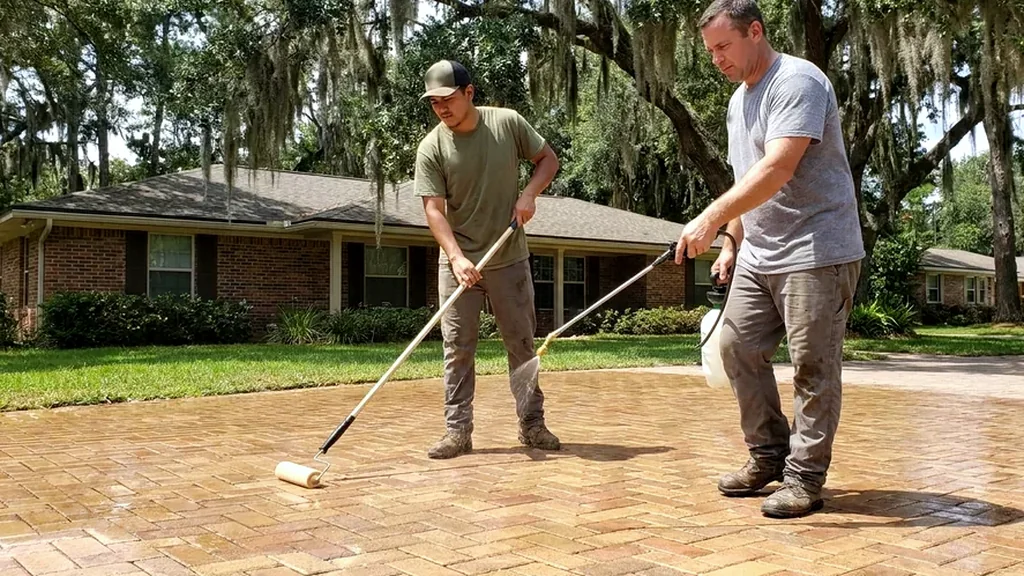
How does a paver sealing job work in Nocatee?
Check the age and the surface
The contractor starts by asking when the pavers went in and whether they were ever sealed. Young pavers may have no coat, or a haze that needs time. Low or lifted spots are marked for repair, since sealer preserves a dip it covers. Tell the contractor where water pools on your Nocatee lot, because that shapes the plan. Tell the contractor about any past work on your Nocatee lot, including a builder coat that nobody wrote down. If the pavers are brick or travertine instead of concrete, say so, because the cleaner and sealer choices differ. The contractor also looks at the edges of the drive and the garage apron, where new pavers meet older concrete.
Clear the haze, algae and salt
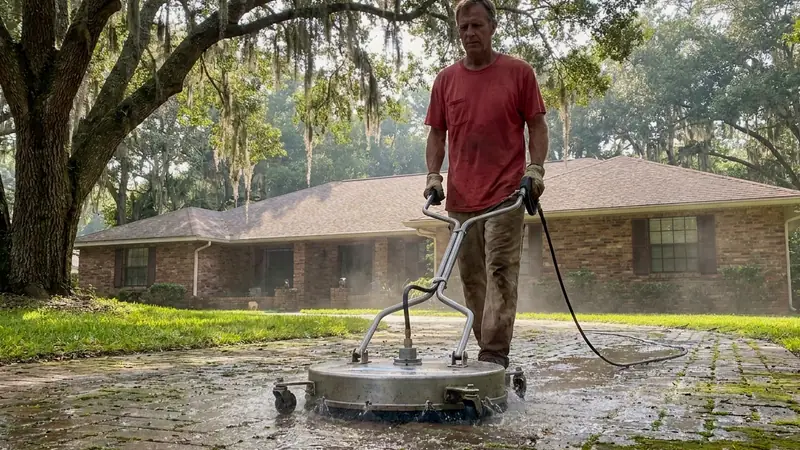
Cleaning comes next, aimed at white mineral film, green growth in the shade and any salt left by sea spray. Pressure is matched to the surface, and rinse water stays out of the pool, as one First Coast company says it does on pool decks. A clean, bare surface is the goal. Nothing goes on top of a haze. Gentle pressure and careful rinsing matter around screens, doors and landscaping beds. White haze, if present, is wiped away so the base color shows before the next step starts.
Refill the joints with sand
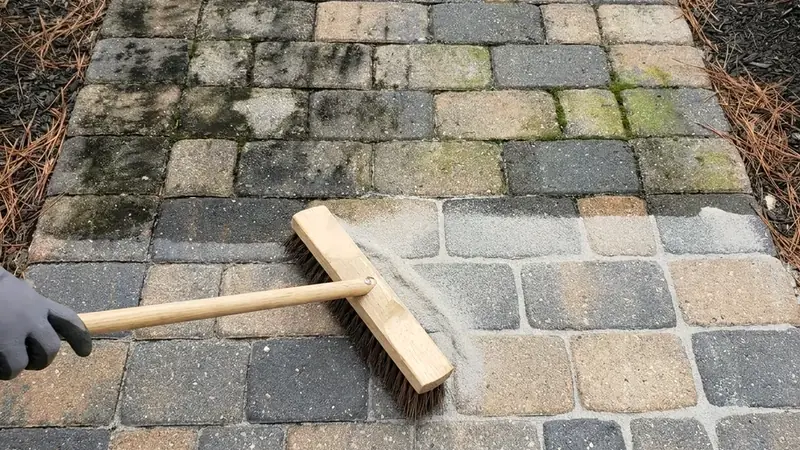
Cleaning removes joint sand, so new sand goes in ahead of the coat. Once joint sand is gone, soil drifts in and weeds take root. Fresh sand also keeps the pavers snug against each other. A last sweep clears the surface after the joints are filled. Joints beside the pool edge and the garage apron are checked too, since those spots lose sand first. Joints beside the pool deck and the edge of the lanai get a second pass, since those spots lose sand first.
Wait for dry ground
Sealer needs a dry surface. St. Augustine gets about 50 inches of rain a year, and the wet season runs May through October. A lanai floor beside a pond or preserve can stay damp longer than a sunny front drive. A careful contractor waits for the forecast to clear instead of sealing damp pavers. Roofed lanais may dry slowest of all, so ask how the contractor judges dryness. In a damp spell, the contractor may move the job from the back lanai to the front drive and back again.
Apply the finish you chose
Sealer is applied with a sprayer and then rolled to even out the coat. Matte stays close to the paver's own look. Wet look deepens the color but shows scuffs earlier. Quotes for a coat's life run about two to five years. One Jacksonville company says foot traffic is usually fine within a few hours and cars stay off for about a day. Ask when the surface is ready for furniture, too. Ask about the stay-off time for pets and furniture on the lanai too.
Complete paver services in Nocatee
Newer Nocatee pavers often start from a clean slate, so the order is short: wash, re-sand, dry, seal. If a white haze shows up, it gets cleared before the coat goes on. Joints get fresh sand so the surface locks together. To ask what your pavers need, call (904) 872-8339.
Lanais and pool decks see sun, splash and bare feet. Driveways take tires and heat. Walkways under palms and oaks hold shade and stay damp longest. Tell the contractor which of these you have when you ask for a free estimate, and the plan can be written for each surface.
Matte or wet look is the big choice. Matte stays natural, while a wet look deepens color but shows scuffs sooner. Water-based sealer cannot go over solvent-based sealer, which matters if a past owner coated the pavers. Call (904) 872-8339 to talk through finishes for your home.
Timing follows the sky. St. Augustine averages about 50 inches of rain a year, with a hot, wet season from May through October. A Nocatee date can slide when storms stack up, so keep your calendar loose. To pick a window that fits your week, ask for a free estimate.
Questions to ask before you hire
- Do you pressure wash or use a rotary surface cleaner to lift the old sealer?
- Who do I call if I see a problem after the job is done?
- Which sealer brand and finish will go on my pavers, and why that one?
- Do you re-sand the joints once the pavers are dry?
- About how many hours will the job take for a driveway my size?
- How do you protect my irrigation heads and landscape lighting?
- What does the written estimate list, and how long is it good for?
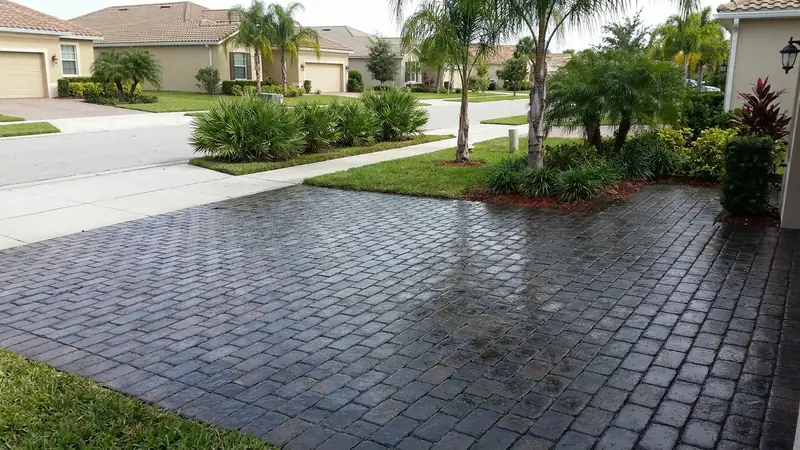
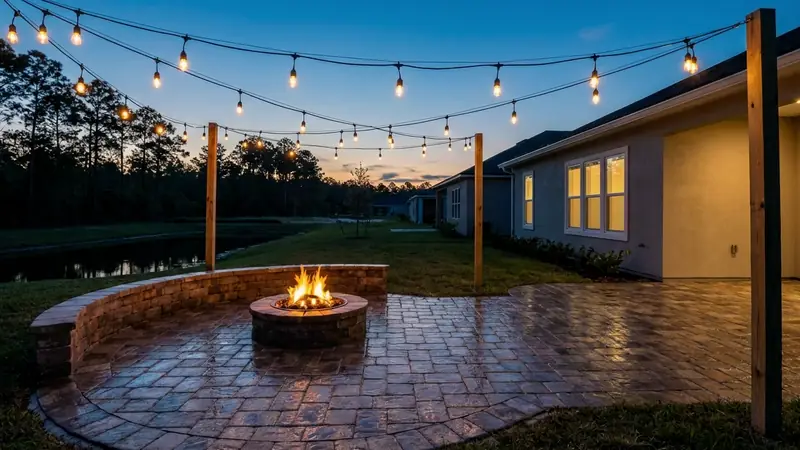
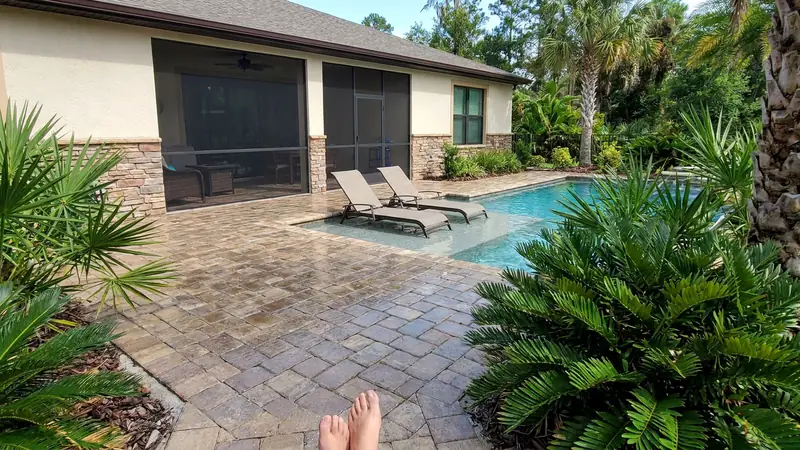
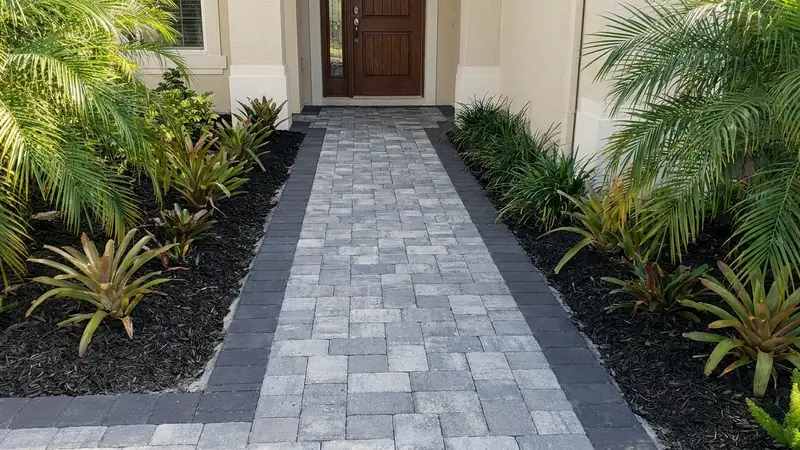
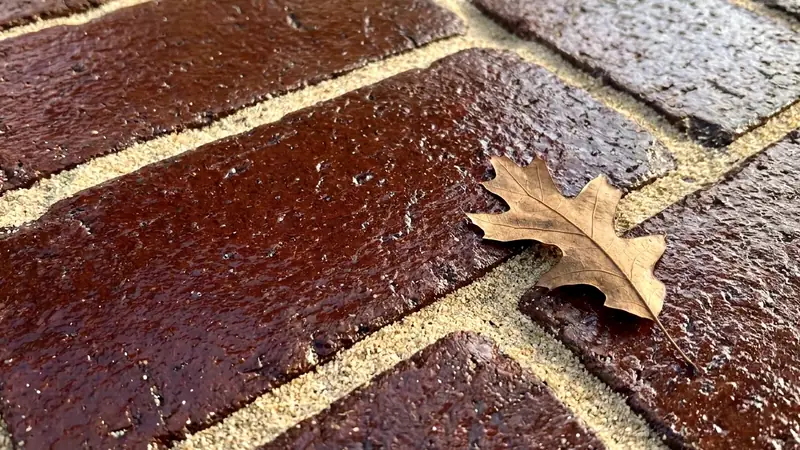
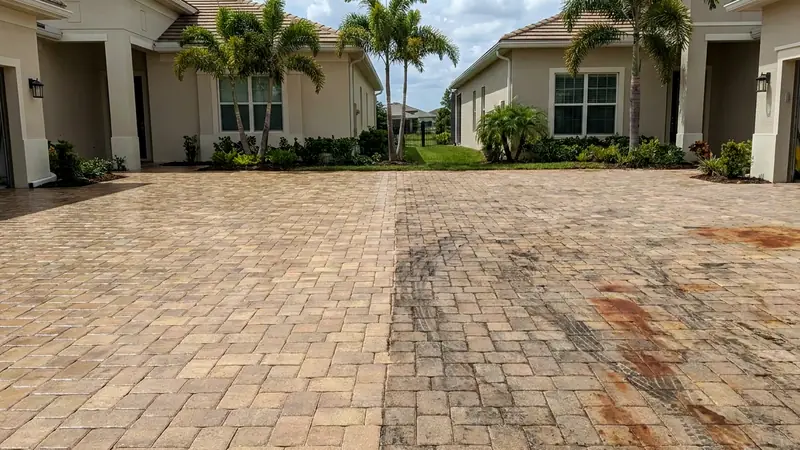
What do sealed pavers look like around Nocatee?
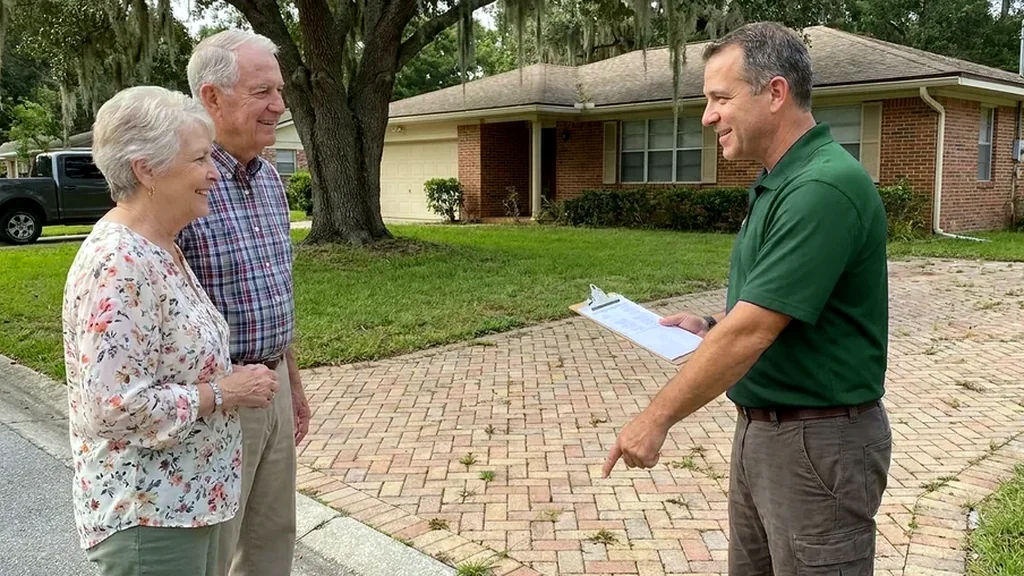
Why local matters in Nocatee
Nocatee sits halfway between Jacksonville and St. Augustine, and part of it lies inside Jacksonville city limits in Duval County. The census place itself is entirely in St. Johns County. A contractor who works here knows to ask which side of that line your street is on. To reach one, call (904) 872-8339.
Local work also means knowing how villages operate. Each one carries an association and a CDD assessment, so questions about guidelines come early. Asking before the date is set saves a delay later, and drainage questions come early too. You can ask for a free estimate and mention your village name.
Then there is the water. Most Nocatee homes back up to lakes, marsh or preserve land, which changes shade and drying time. A local contractor plans for a damp back lanai and a slow-drying walk. If your lot backs up to a pond or preserve, ask for a free estimate and say so.
Where is Nocatee, and what nearby helps me describe my street?
Nocatee sits in northern St. Johns County, west of the Intracoastal Waterway and about halfway between Jacksonville and St. Augustine. Nocatee Parkway is the stretch of County Road 210 that covers 4.83 miles between US 1 and Davis Park Road. Ponte Vedra High School stands at 460 Davis Park Road, on land the developers donated. Near any of these, call (904) 872-8339.
The Nocatee Preserve covers 2,400 acres along 3.5 miles of the Tolomato River, and the county's Nocatee Paddle Launch is on Tolomato Road. Greenway trails link parks and preserves across the community. Town Center holds shops and restaurants for the nearby villages, and Nocatee Parkway links it to US 1. If your street is close to one of these, ask for a free estimate.
Frequently Asked Questions
Which paver sealer works for Nocatee homes?
Contractors pick water-based or solvent-based sealer, and an old coat can decide it, since the two do not bond. New pavers give more freedom. Matte and wet look are the two finishes. Ask the contractor to name the product so the next coat can match.
Is it good to seal pavers in Nocatee?
Often yes, once the pavers are clean and the timing is right. A sealed surface keeps its joint sand put, says one Jacksonville company, so plants and insects have less to disturb. Newer pavers that show a white haze may need a few months before the first coat.
Why is paver sealing so expensive in Nocatee?
Washing, joint sand, drying time and the coat all sit inside the price, not only the sealer. Stripping failed old sealer is extra. A fair Nocatee estimate lists each step and the square footage, which lets you compare it to the published range.
Can pressure washing hurt brick pavers in Nocatee?
It can if the pressure does not match the surface. One First Coast company says it matches pressure to the surface on pool decks. Brick and concrete wear differently, so tell the contractor which you have at the first visit.
How much does paver sealing cost in Nocatee?
Cleaning, sanding and sealing together commonly carry a published price of $1.75 to $3.25 per square foot across Northeast Florida. Area drives the total, so a driveway plus a pool deck costs more than a walk. Old sealer that has failed must be stripped first, and that raises the price.
When does sealer wear out in Nocatee?
Quotes for a coat's life run about two to five years. Beading water tells you the sealer is working. Water that sinks in and darkens the paver tells you it is finished. Heavy shade or a busy driveway can shorten the span.
Is HOA permission required before sealing pavers in Nocatee?
Check your village guidelines first. State law keeps an association's review of changes inside what its own documents state or imply. Crosswater asks for approval of driveway changes before installation, so a tinted finish is worth a question. Settle it with your association before the date is booked.
Should new pavers in Nocatee be sealed right away?
Not always. Unilock says pavers must be clear of efflorescence before a sealer goes on. It adds that it is best to wait two to three months, or up to a year, if the haze shows. The contractor can tell you at the first visit whether yours are ready.
Ready for a Free Estimate in Nocatee?
Call (904) 872-8339 and tell us about your pavers.
Free, no obligation