
Lift rust, oil and leaf marks from pavers
Paver Stain Removal in Greenland, FL
Greenland homeowners can call (904) 872-8339 for a free estimate on paver stain removal.
- Brings out deeper paver color
- Fresh joint sand helps lock pavers in place
- Gives weeds less room to grow
- Makes the surface easier to keep clean
- Free estimate, no obligation
Request a Free Estimate
Free, no obligation.
Can a stain on my Greenland pavers be removed?
A local contractor handles stained pavers at Greenland, FL homes, and you hear back within 1 business day, usually much sooner. Looking at the stain and quoting the work is free, and you choose what happens next. To start, call (904) 872-8339.
Most stains on pavers are one of a handful of types: rust, oil, leaf and pine tannin, mold and mildew, or leftover mortar. Each one needs its own treatment, which is why a quick photo or a visit matters. Show the contractor where the mark is and how long it has been there when you ask for a free estimate.
Which stain do I have: rust, oil, leaf or something else?
Color gives the first clue. Orange or brown streaks near sprinklers, furniture legs or fertilizer are usually rust. Dark circles under a car are oil. Tan or gray blotches under trees are plant stains. White haze is a salt deposit called efflorescence. Not sure? Call (904) 872-8339.
Rust
Orange or brown streaks near sprinkler heads, metal furniture legs or fertilizer spills.
Oil and grease
Dark patches where a car parks or a grill sits.
Leaf and pine stains
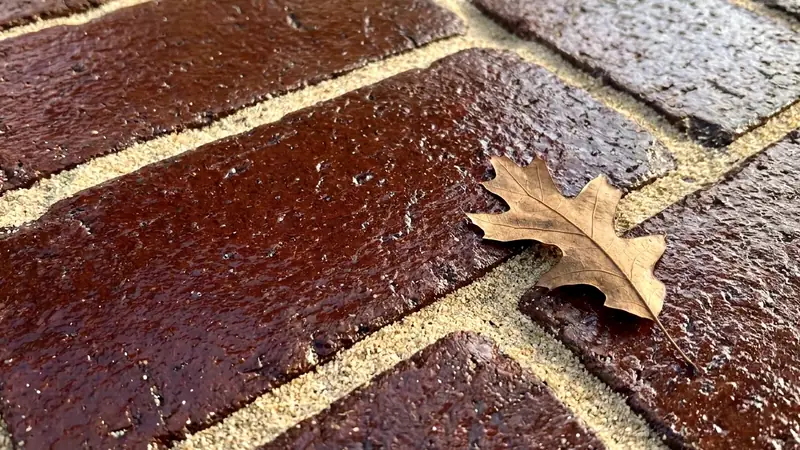
Tan or gray blotches under trees, where wet litter has sat.
White haze
Efflorescence, salts rising from the concrete, which fades on its own over months.
Why does the type of stain change the cleaning process?
A treatment that lifts one stain can set another. Cambridge Pavingstones, a paver maker, lists different products for rust, oil, leaf stains, mold and efflorescence. The maker also says it does not guarantee any cleaning method will work. That is why a trained eye matters before anything touches the surface. To get yours looked over, ask for a free estimate.
Is it a good idea to test a stain treatment first?
Always. Cambridge Pavingstones advises trying a treatment on one or two pavers in a spot nobody sees, and its rust page says to test a small area first. Rust remover can also damage sealer, and some products can pull color from pigmented concrete. A contractor tests, waits and checks before treating the full patch. To book one, call (904) 872-8339.
How are oil stains lifted from pavers?
The depth of the stain sets the method. A stone care maker says a degreaser lifts surface oil and reveals deeper stains, and a poultice then works on oil that went down into the paver. Deep stains show only once the pavers are thoroughly dry, and severe ones can need a second pass. To have a patch checked, ask for a free estimate.
Fresh spills are far easier than old ones. Cambridge Pavingstones says to blot a spill and not wipe, because wiping spreads it. If something dripped on your driveway last week, call (904) 872-8339 before it sets.
What about rust stains from sprinklers?
Irrigation rust is one of the most common orange marks on pavers. A Duval County washing company says it needs a rust treatment followed by a rinse, and that more pressure only makes it worse. Cambridge Pavingstones says to find the source first, whether sprinklers, furniture or fertilizer, because otherwise the stain returns. Ask about the source and the sealer risk when you call (904) 872-8339.
Why do leaf and pine stains keep coming back near Greenland?
Cambridge Pavingstones notes that leaves fall every year, so a plant stain can return. Greenland streets are named for pine, cedar, elm and magnolia, and pavers under those trees stay shaded and damp. Big Davis Creek and Julington Creek add ground moisture nearby. Sealing and quicker cleanup slow the staining. To plan around your trees, ask for a free estimate.
Does sealing before or after stain removal matter?
Stains come out first. Unilock says to remove debris and stains before sealing because sealer can accentuate them. Afterward, Stallone's Pro Wash says sealer helps pavers shrug off oil and keeps oil and rust from soaking in. So removal and sealing work as a pair. To set up both, call (904) 872-8339.
Timing matters too. A rust treatment can damage an old coat, as Cambridge Pavingstones warns, so a contractor may reseal that area afterward. Pavers must be fully dry before sealing. Ask how the contractor handles a patch repair when you ask for a free estimate.
Which stains are hardest, and what if one will not come out?
Hardened mortar is the hardest. Cambridge Pavingstones calls it extremely difficult to remove and says a paver may need replacing. Old oil that went deep can also take more than one pass. A good contractor says plainly when a stain will improve and not vanish. To hear an honest read on yours, call (904) 872-8339.
What does paver stain removal cost in Greenland?
No page read for this site posts a price for removing one stain, so no single number appears here. Stallone's Pro Wash lists washing from $0.22 per square foot, and a Duval County washing company lists $1.75 to $3.25 to clean, sand and seal. Spot treatment is normally priced inside the quote for the area. For a written price, ask for a free estimate.
Stain type and depth drive the cost, along with how many spots there are and whether sealing follows. Ask for each line to be listed. Already have a bid? Call (904) 872-8339 and compare.
| Paved area | Example | Whole area wash, from $0.22 | Clean, sand and seal range |
|---|---|---|---|
| 200 sq ft | Rust trail by a front step | $44 | $350 to $650 |
| 500 sq ft | Pool deck with leaf stains | $110 | $875 to $1,625 |
| 900 sq ft | Driveway with oil spots | $198 | $1,575 to $2,925 |
| 1,400 sq ft | Whole driveway and patio | $308 | $2,450 to $4,550 |
No page read for this site posts a price for removing one stain. The wash column is the $0.22 per square foot starting rate from Stallone's Pro Wash. The last column is the $1.75 to $3.25 clean, sand and seal range from a Duval County washing company. Spot treatments are usually part of a quote for the whole area, so ask what is included.
Which paved areas around Greenland get stained most?
Driveways collect oil and rust, pool decks collect leaves and tannin, and front walks pick up planter drips and mulch. Each place needs its own plan. Mention the worst one first when you call (904) 872-8339.
Driveways
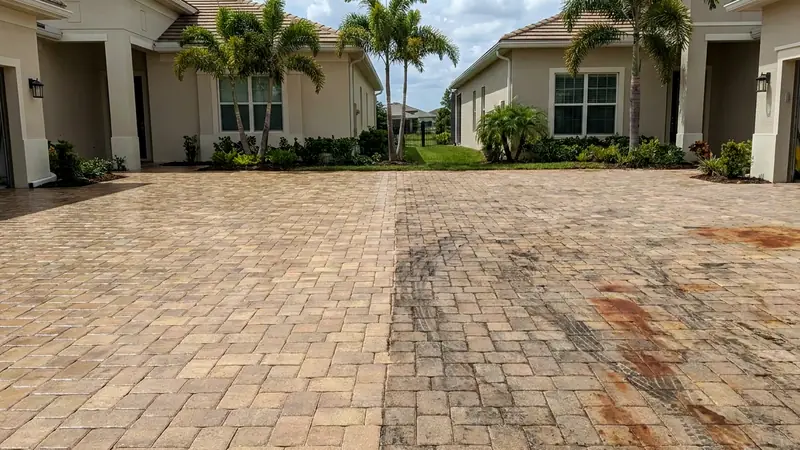
Oil drips and tire marks gather where cars park, and sprinklers can stripe the edges with rust.
Pool decks
Wet leaves and sunscreen leave marks, and shaded corners stay slick with film.
Walkways
Planter drips, mulch and metal pots leave brown and orange rings.
Patios
Grills, furniture legs and fertilizer cause rust and grease marks.
Which Greenland neighborhoods can get paver stain removal?
A local contractor covers Greenland and the nearby places linked below, and each has a page with local notes. Areas across Duval and Clay counties and the counties next door are included. For a street not listed, ask for a free estimate.
- Durbin
- Beauclerc
- Saint Johns
- Fruit Cove
- Baymeadows
- Mandarin
- San Jose
- Nocatee
- Southside
- Fleming Island
- San Pablo
- Palm Valley
- Sandalwood
- Ponte Vedra Beach
- Bellair-Meadowbrook Terrace
- San Marco
- World Golf Village
- Lakeside
- Argyle Forest
- Arlington
- Jacksonville Beach
- Cedar Hills
- Riverside
- Fort Caroline
- Atlantic Beach
- Oakleaf Plantation
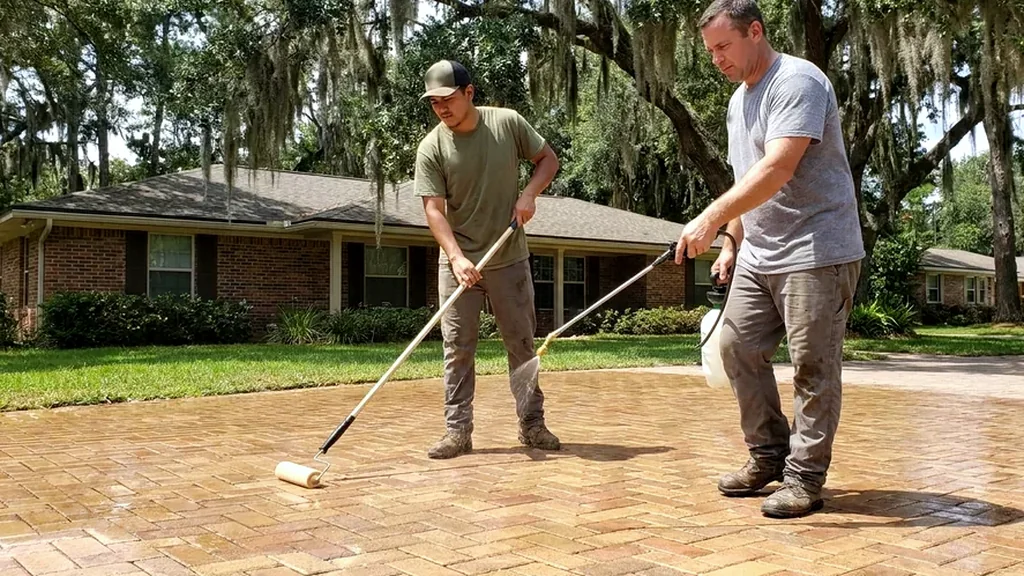
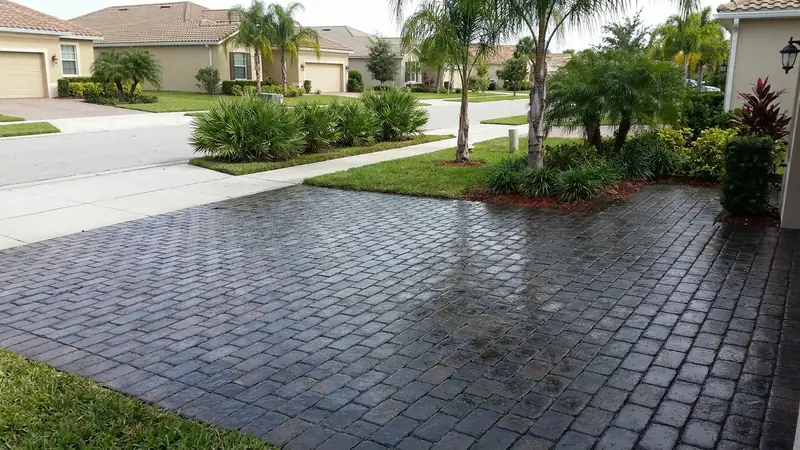
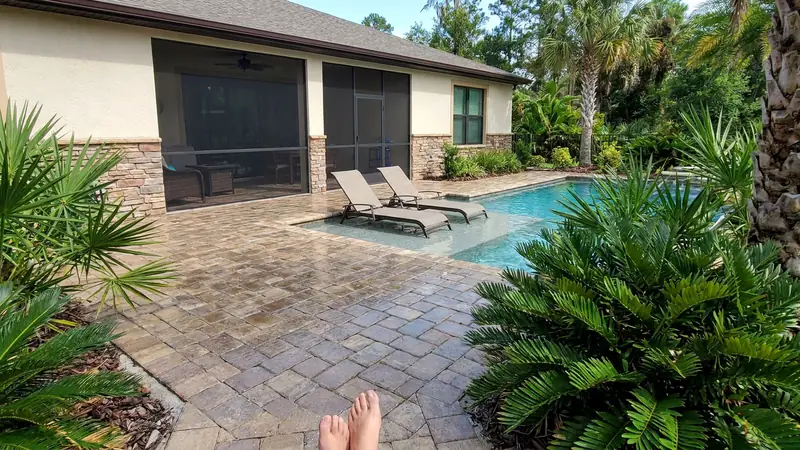
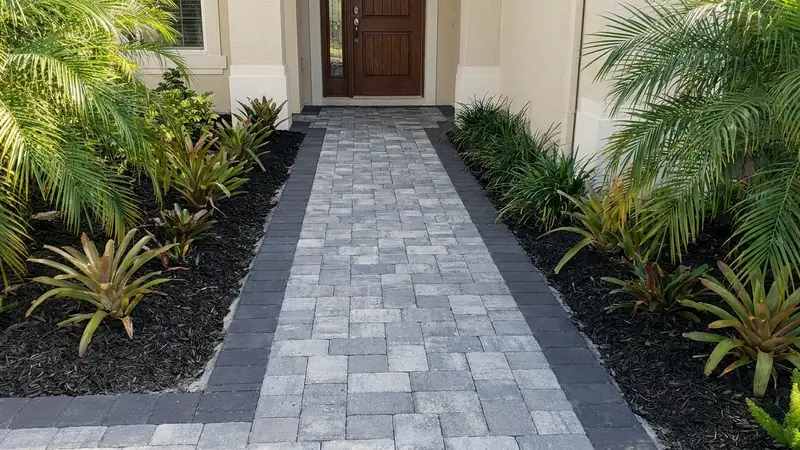
What do stain-free pavers look like around Greenland?

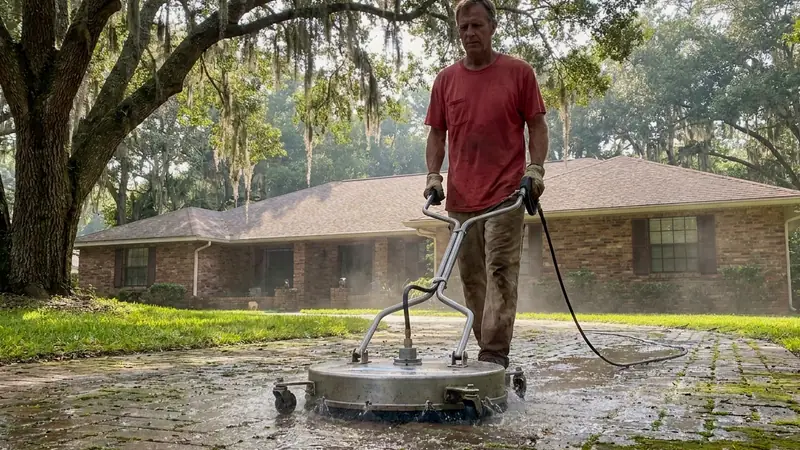
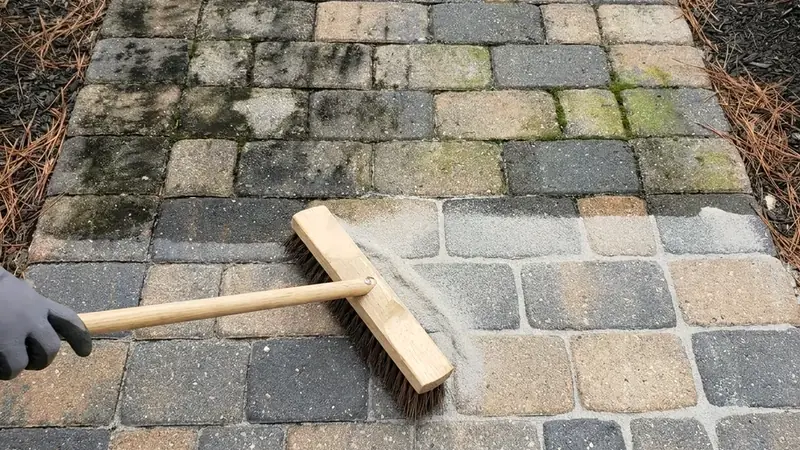
Frequently Asked Questions About Paver Stain Removal
Is sealing pavers worth it in Florida?
Yes, when the pavers are clean first. Unilock says sealer deepens color and helps guard against water, dirt and oil, but it also says sealer can accentuate stains, so they come out before the coat goes on.
How do I remove oil stains from brick pavers?
Depth decides the method, says a stone care maker. A degreaser lifts surface oil and shows how deep the rest goes, and a poultice draws out deep oil. Deep stains show only once the pavers dry, and a bad one may need a second pass.
Why is paver sealing so expensive?
Preparation takes most of the time. A Duval County washing company describes a two day job, with stains treated, joints refilled and the surface dried before the coat. Stain work is part of that preparation.
How much should I pay for paver sealing?
Published local figures run $1.75 to $3.25 per square foot to clean, sand and seal. Stallone's Pro Wash lists washing from $0.22 and sealing from $1.90. Stain treatment is normally part of that quote, so ask what it covers.
What are those orange stains on my pavers?
Orange marks are usually rust. A Duval County washing company says irrigation rust needs a rust treatment and a rinse, and that more pressure makes it worse. Cambridge Pavingstones tells owners to trace where the rust comes from, whether sprinklers, furniture or fertilizer.
Can rust remover hurt my pavers or sealer?
It can. Cambridge Pavingstones says rust remover will damage a sealer, and it advises a test on one or two pavers first. A contractor checks a hidden spot before treating the whole area.
Why do leaf and pine needle stains keep coming back?
The source repeats. Cambridge Pavingstones notes that leaves fall every year, so a stain can return. Pavers under pines near Greenland creeks stay damp, which holds tannin against the surface. Sealing and quicker cleanup slow it.
Can an old oil stain come out of pavers?
Often, though it may take more than one pass. A stone care maker says deeper oil shows only after the pavers are thoroughly dry, and severe stains can need another application. Fresh spills are far easier.
Should I wipe or blot a fresh spill on pavers?
Blot. Cambridge Pavingstones says wiping spreads a stain. Soaking up the spill quickly keeps it near the surface. Then book a visit before the stain sets.
Will sealing keep stains from setting in my pavers?
It helps. Stallone's Pro Wash says sealer helps pavers shrug off oil and keeps oil and rust from soaking in, so most spills wipe or rinse away. It is not a force field, and old coating loses that effect.
Is hard mortar on pavers removable?
It is the hardest one. Cambridge Pavingstones calls mortar extremely difficult to remove once hard, and says a paver may need replacing. Fresh mortar is far easier, so act quickly after a masonry job.
Got a stain that will not budge?
Tell a local contractor about the mark by phone or form, and expect a reply within 1 business day, usually much sooner.
Free, no obligation